In today’s rapidly evolving healthcare landscape, technology is redefining how patients receive care — and how organizations support the health of their employees. One of the most impactful advancements driving this shift is Remote Patient Monitoring (RPM). This innovative approach is transforming the way healthcare providers, employers, and patients interact, creating a new era of proactive, data-driven, and accessible healthcare.
What Is Remote Patient Monitoring (RPM)?
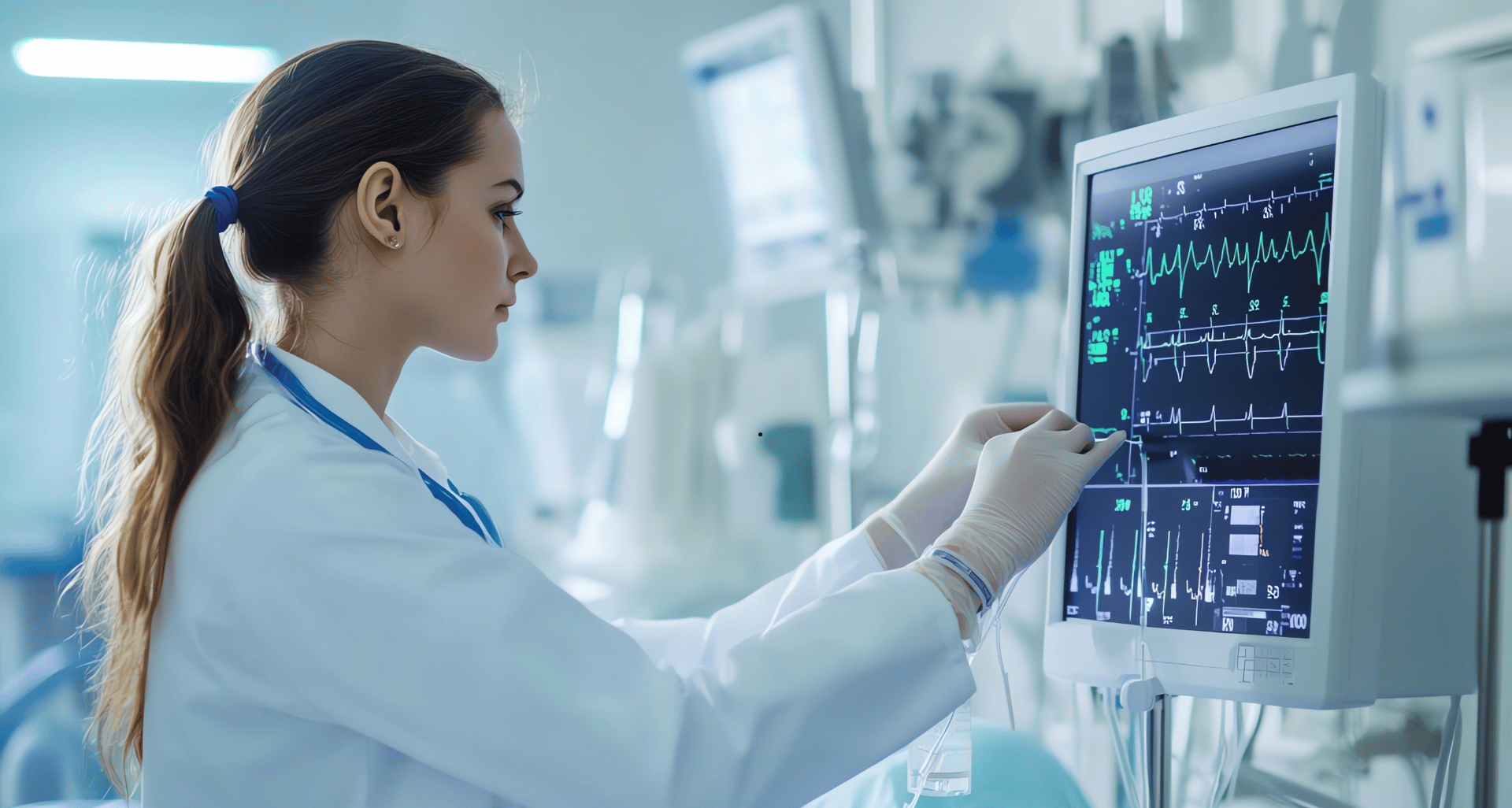
Remote Patient Monitoring uses connected medical devices and digital platforms to collect real-time health data from patients outside of traditional clinical settings. These devices — such as blood pressure cuffs, glucose monitors, and wearable sensors — automatically transmit data to healthcare professionals who can monitor trends, detect early warning signs, and adjust care plans accordingly.
In essence, RPM brings healthcare to the patient, rather than waiting for the patient to come to healthcare.
Transforming Workforce Health Management
For employers and healthcare networks, RPM represents a powerful opportunity to improve workforce health outcomes, reduce absenteeism, and lower long-term healthcare costs. Here’s how:
1. Early Detection and Preventive Care
With continuous monitoring, providers can identify potential health issues before they become critical. For instance, fluctuations in blood pressure or glucose levels can be detected early, prompting timely interventions that prevent costly hospitalizations or emergency visits.
2. Improved Chronic Condition Management
Chronic illnesses like diabetes, hypertension, and COPD account for a significant portion of workforce healthcare costs. RPM enables consistent tracking of these conditions, empowering patients to stay engaged in their care and providers to make real-time adjustments. This leads to fewer complications and a healthier, more productive workforce.
3. Seamless Integration with Telehealth
RPM complements telemedicine perfectly. Employees can consult with healthcare professionals virtually, while their health data is already available for review. This eliminates guesswork, enhances diagnostic accuracy, and streamlines follow-up care.
4. Increased Employee Engagement and Satisfaction
When employees feel supported in their health journey, they are more likely to stay engaged and loyal. RPM fosters that sense of connection — giving patients confidence that their well-being is being actively monitored and managed.
5. Cost Savings and Efficiency
By preventing avoidable hospital visits and improving chronic care management, RPM significantly lowers healthcare costs for both employees and employers. Moreover, it allows healthcare providers to monitor more patients efficiently without compromising care quality.
The Role of Healthcare Networks in the RPM Revolution
Forward-thinking healthcare organizations like PMC Healthcare Networks are at the forefront of integrating RPM into comprehensive care models. By combining Remote Patient Monitoring, Chronic Care Management (CCM), and Durable Medical Equipment (DME) services, they provide a seamless continuum of care that enhances both patient outcomes and organizational efficiency.
The Future Is Connected
The future of healthcare is connected, continuous, and patient-centric. RPM is not just a trend — it’s a long-term shift in how care is delivered and managed. For today’s employers and healthcare providers, adopting remote monitoring solutions is more than an innovation — it’s an investment in a healthier, more resilient workforce.
Key Takeaway
Remote Patient Monitoring is revolutionizing workforce health by bridging the gap between clinical care and everyday life. As technology continues to evolve, the ability to monitor, predict, and prevent health issues will become a cornerstone of modern healthcare — ensuring employees stay healthier, happier, and more productive.